_edited_edited.png)
Shutters vs Blinds vs Shades for Seattle Homes: A Spring Guide That Makes the Choice Way Easier
Spring in Seattle is basically a personality test for your windows.
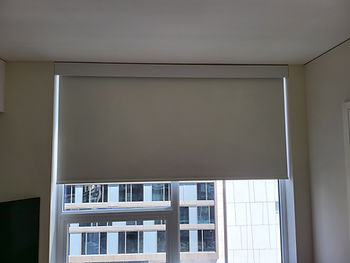
All winter we beg for light. Then the sun finally decides to show up and suddenly your living room is glowing like a fish tank, your laptop screen has a giant reflection, and you are doing that awkward shuffle where you keep tilting the blinds every fifteen minutes like it is your new part time job.
If you have been there, this guide is for you.
People throw around shutters, blinds, and shades like they are the same thing, but they are not. They solve different problems, they look different in real life, and they feel different to live with day to day. So instead of giving you the generic comparison you have probably already seen, I want to walk you through this like a neighbor would. Simple, honest, and actually useful for Seattle homes.
If at the end you want someone to just measure your windows and tell you what makes the most sense, Ultimate Shutters and Blinds can help with that too. Here is our custom if you want to peek at options while you read.
Why This Question Feels Harder in Seattle
Seattle is not like other places when it comes to window treatment choices. A few things make this decision feel weirdly high stakes.
One, our light changes fast. Spring rolls in and suddenly the angle of the sun hits rooms that never had issues before. That glare can be brutal, especially in the afternoon.
Two, a lot of homes here have character. Which is a nice way of saying the windows are not always perfectly square. Old trim, settling, little quirks. If you have ever tried to hang something straight in an older home and felt personally attacked by the wall, you know what I mean.
Three, privacy is a thing. Seattle neighborhoods can be close, and condos are often wall to wall glass. You want light, but you do not want to feel watched at night.
So when someone asks what is best, the real answer is it depends on how you live, how your windows are positioned, and what problem is driving you crazy right now.
Quick Breakdown: What Shutters, Blinds, and Shades Really Are
Let’s keep this simple.
Shutters
Shutters are solid panels with louvers. You open and close the louvers to control light and privacy. They feel more permanent than other options and a lot of homeowners love them because they look clean and built in.
If shutters are already on your radar, here is our installation page
Blinds
Blinds are the ones with slats that tilt and lift. They are super familiar, and they still make a ton of sense for a lot of rooms. You can get wood, faux wood, aluminum, and more depending on the look and moisture level in the space.
Here is our blind installation page
Shades
Shades are one continuous piece of fabric or woven material that raises and lowers. You pick the fabric based on how much light you want coming through. Light filtering, room darkening, blackout, or solar are the big buckets.
Shades are popular in modern spaces and condos because they look smooth and minimal.
The Differences That Actually Matter Day to Day
This is the part where people usually go, ok, now it makes sense.
Light control and glare
If glare is your main enemy, shades often win, especially solar shades. You can cut the harshness without feeling like you are living in a cave.
Blinds are also good for glare because you can tilt the slats and redirect light up or down. The only downside is that sometimes you still get little streaks of light depending on the angle.
Shutters give you strong control too, but the light looks different. They tend to create more defined light patterns. Some people love that. Some people get annoyed by it in a home office.
If you are fighting glare daily
Shades and blinds are usually the easiest wins
Privacy, especially at night
This is where shutters really shine. You can angle the louvers so you still get light while blocking direct views in. It feels private without being closed off.
Blinds can do a similar thing, but it depends on the material and quality. Cheaper blinds can bend or warp over time and then privacy control gets sloppy.
Shades depend heavily on fabric choice. Light filtering shades can still show silhouettes at night if your lights are on. If privacy is the big goal, room darkening shades usually feel better.
If you want privacy without sacrificing daylight
Shutters are hard to beat
Comfort and energy efficiency
Spring in Seattle is funny. It can be 45 in the morning, 65 in the afternoon, and back to chilly by evening. If your home has drafts, you feel it.
Cellular shades are known for insulation. That honeycomb design is not just marketing. It can help reduce drafts and make rooms feel more stable.
Shutters can also help because they add a solid layer at the window, especially when they are fitted properly.
Blinds help with glare and heat, but they are usually not the best option if your main issue is drafts.
If comfort is your top priority
Cellular shades and shutters are great choices
Cleaning and maintenance
If you hate cleaning, shutters are usually the least annoying. Wipe and done.
Blinds collect dust on every slat. It is not complicated, it is just one of those chores nobody wants to do.
Shades vary. Some are easy to maintain, but fabric can hold dust more than people expect.
If you want easy upkeep
Shutters are usually the winner
Durability with kids, pets, and real life
If you open and close your window coverings constantly, durability matters more than you think.
Shutters hold up really well with daily use.
Faux wood blinds are a great option for kitchens and bathrooms because they handle moisture better and they are sturdy.
Shades are durable too, but heavy use can wear on the mechanisms over time depending on the type.
If your house is busy
Shutters or faux wood blinds are a safe bet
What Works Best by Room in a Seattle Home
Let’s make this practical.
Living room
If you have a view and you want to keep it, solar shades are a great option because they reduce glare without blocking everything.
If you want that finished built in look, shutters are a classic choice that instantly makes a room feel more put together.
Bedrooms
If you are a light sleeper, do not underestimate Seattle’s longer days. Once we get closer to summer, that early sunlight is no joke.
Blackout or room darkening shades are usually the easiest way to get a real sleep friendly room. Blinds can work too, but they often let in more light around the edges unless everything is fitted perfectly.
Kitchen and bathroom
Moisture and cleaning matter here. Faux wood blinds are popular for a reason. They are easy to wipe down and they hold up well.
Shutters can also work depending on material and placement. Shades are possible, but most people prefer something that feels easier to maintain.
Home office
If you work from home, glare control is everything. Solar shades or light filtering shades can make a huge difference without making the room feel dark.
Blinds can also work well here because you can adjust the slats throughout the day as the sun shifts.
Sliding doors and big windows
This is where shades often feel the best because the look stays clean and you are not dealing with bulky stacks of slats.
Motorized shades are also a really nice upgrade for big windows because you can open and close them evenly without tugging cords.
If you want to explore shade options, including motorized, this page is a good place to start
What Adds the Most Value
If you are thinking long term, shutters usually feel like the biggest value add. They look permanent, they feel high end, and buyers notice them.
That said, custom blinds and shades also add value when they are done right. The biggest difference is fit and finish. When window treatments look intentional, the whole room looks more intentional.
The opposite is also true. Cheap, mismatched, or ill fitting window coverings can make a room feel off even if everything else is beautiful.
Custom vs Store Bought: The Seattle Window Problem
Here is the part nobody tells you until you are already frustrated.
A lot of Seattle windows are just slightly weird. Not in a dramatic way. Just slightly off.
So you buy something store bought, you follow the instructions, and then you step back and realize there is a gap on one side, or it looks crooked, or the light leaks in a way you did not expect. It is not because you did it wrong. It is because the window was never perfectly standard in the first place.
Custom window treatments are measured to your exact opening, trim, and layout. That is why they look cleaner and work better, especially in older homes and condos with big glass.
If you want to see custom options, start here
A Simple Decision Checklist
If you want the quick shortcut, here it is.
Choose shutters if you want a built in look, strong privacy control, and easy cleaning.
Choose blinds if you want classic slats and flexible light control in a lot of rooms.
Choose shades if you want a clean modern look and the best glare control options.
Choose cellular shades or shutters if drafts and comfort matter most.
Choose custom if your windows are non standard or you want the cleanest finished look.
What It Looks Like to Work With a Local Window Treatment Team
Most people assume custom means complicated. It usually does not.
First, you get accurate measurements. That alone takes away so much guesswork.
Next, you pick the light control level and material based on how you actually live.
Then, installation is handled so everything operates smoothly and looks clean.
If you want to explore services, these are good starting pages.
Final Thoughts
The right window treatment is the one that fits your life, not just your Pinterest board.
Seattle spring is the perfect time to figure it out because you can finally see where the light hits, where privacy feels awkward, and where the room could feel more comfortable.
If you want a no pressure recommendation based on your actual windows, Ultimate Shutters and Blinds can help you compare shutters, blinds, and shades in a way that feels simple and honest.
Call to Action
Ready to upgrade this spring. Start by browsing the options, then reach out for a measurement and recommendation.


